
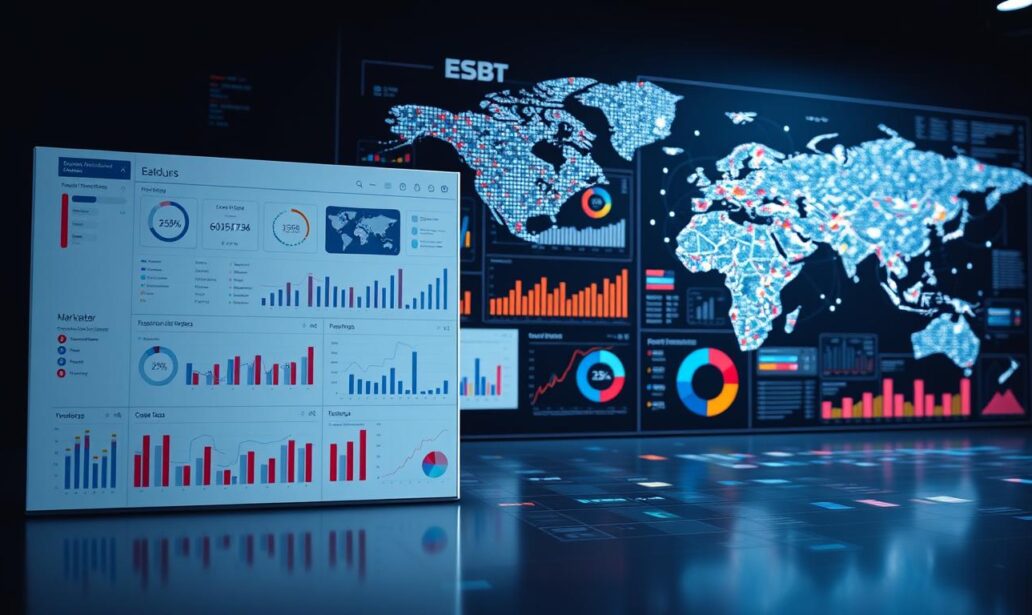
Many companies collect data but don’t use it well. They gather information like it’s going out of style but never derive meaningful insights. It’s like having many weather apps but getting caught in the rain.
Market research shows what customers thought about your product yesterday. But true market insights predict what problems they’ll face tomorrow. It’s the difference between reading yesterday’s news and seeing where your industry is going.
Smart companies don’t just collect data. They build systems that connect dots before others even see them. This intelligence shows patterns that change strategies, not just answer questions.
This includes customer, competitive, market trend, and operational intelligence. Together, they act as early warning systems for market changes. It’s like having a business radar for storms or opportunities.
Tools for Gathering Insights
If you’re using only press releases and annual reports, you’re missing out. The real betting advantage comes from tools that give you a head start. They let you see market shifts before they become common talk.
AI-powered platforms scan the web and turn chaos into useful data. It’s like having backstage access to the market’s events while others listen from afar.

Platforms like Veridion track over 120 million companies with fresh data every week. They offer 200+ attributes per company. This is not just data; it’s like having a crystal ball.
Valona’s platform covers 115+ languages and 200,000+ sources. It shows that critical market signals don’t always appear in English first.
The best tools mix your internal data with external insights. They use:
- Patent filings to see future plans
- Job postings to spot expansion
- Cross-language monitoring for global shifts
- Supplier website changes for supply chain updates
| Tool Type | Coverage | Refresh Rate | Unique Advantage |
|---|---|---|---|
| AI Web Scanners | 120M+ companies | Weekly | 200+ attributes per entity |
| Multi-Language Platforms | 115+ languages | Real-time | 200K+ hard-to-access sources |
| Traditional Sources | Limited scope | Quarterly/Annual | Publicly available data |
Traditional methods are like watching a movie with missing scenes. The full picture needs tools that track everything. This gives a big betting advantage to professionals.
The smart bet isn’t just on having data. It’s on having the right data at the right time. Seeing market movements early lets you rewrite the rules of the game.
Examples from Experienced Bettors
Ever notice how the best gamblers aren’t actually gambling? They’re playing chess while everyone else plays slots. That chemical manufacturer didn’t stumble upon bio-based alternatives – they heard it in support calls eighteen months before it became a two-billion-dollar market.
While competitors were reading press releases like yesterday’s newspaper, this company was listening to the actual market conversation. They positioned themselves perfectly while others were confused about “bio-based”.

Then there’s the Nordic manufacturer who cracked Brazil without speaking Portuguese. They monitored local sources for plant expansions and partnerships. Suddenly they had 500 qualified leads while competitors were lost.
“The art of informed betting isn’t about gambling – it’s about placing calculated risks based on signals everyone else misses.”
These aren’t lucky guesses. They’re examples of connecting behavioral patterns with external signals before they become obvious. It’s like noticing everyone suddenly ordering oat milk at coffee shops and realizing dairy alternatives are about to explode.
Except with billions of dollars at stake. The mining company that saved $10 million by connecting regulatory signals across jurisdictions? That’s not magic – that’s market intelligence.
| Company | Signal Detected | Outcome | Timeline |
|---|---|---|---|
| Chemical Manufacturer | “Bio-based alternatives” in support calls | $2B market positioning | 18 months early |
| Nordic Manufacturer | Portuguese-language expansion talks | 500+ qualified leads | Real-time advantage |
| Mining Company | Regulatory pattern recognition | $10M saved | Proactive adjustment |
The pattern is clear: successful informed betting means listening to what people aren’t saying directly. It’s reading between the lines of support calls, local news, and regulatory changes.
These professionals aren’t psychic. They’re just paying attention to the whispers before they become screams. That’s the difference between gambling and genuine informed betting strategy.
Strategic Implementation
Most market insights efforts fail at the implementation stage. Companies gather data but rarely use it. Seagate found that 68% of data remains unused, like buying food for a fancy meal and then eating takeout.
Effective implementation starts with clear goals. Ask yourself, “What decision will this inform?” instead of “What data can we collect?” It’s also important to break down departmental silos. This way, marketing and product teams can share their insights.
Using AI is helpful, but human critical thinking is essential. ChatGPT might write great sonnets, but it can’t grasp your market’s nuances. Winners treat market insights as a strategic asset, not just a cost.
Did you know 75% of procurement pros can’t update data in real time? That’s like trying to navigate New York traffic with a 1998 map. Your strategy must link data gathering to business goals and decisions.
To avoid being a data hoarder, follow these steps:
- Start with the endgame: Define what decisions your market insights will inform before collecting a single data point
- Break down silos: Create cross-functional teams that actually talk to each other
- Balance tech with touch: Use AI for heavy lifting but keep human expertise for contextual understanding
- Prioritize actionability: If data doesn’t lead to a decision, it’s just digital clutter
The best market insights strategies are like an orchestra. Each section works together, not separately. Data scientists should work with marketing and product teams.
Remember, having market insights without using them is like owning a Ferrari you never drive. It looks good but doesn’t take you anywhere.
Companies that truly use their market insights see them as living assets. They inform every strategic move. They’re not just collecting data; they’re building systems that drive decisions.
Measuring Success
Forget counting data points like a bean counter at harvest time. Your real betting advantage isn’t in spreadsheets. It’s in making strategic decisions that really matter.
Did your intel predict regulatory changes before they hit the Federal Register? Or spot consumer behavior shifts before they became big news?
The right market intelligence can give you a 3-6 month head start. This time lets you adjust your plans, change your message, or quietly buy out competitors. When you act first, you’re ahead of the game.
This method is like Harvard Business School’s way to measure marketing impact. They use decision-stage metrics instead of just numbers. Your CEO should know about competitor moves before they happen, not after.
The best measure? When your insights change business paths, not just fill reports for meetings.